
Before You Book, Read This 2026 World Cup Breakdown
The 2026 FIFA World Cup will feature 48 national teams, 104 matches, and 16 host cities across the United States, Canada, and Mexico from June 11 to July 19, FIFA has expanded the tournament from 32 t...
Before You Book, Read This 2026 World Cup Breakdown
The 2026 FIFA World Cup will feature 48 national teams, 104 matches, and 16 host cities across the United States, Canada, and Mexico from June 11 to July 19, 2026. FIFA has expanded the tournament from 32 teams, creating a longer group stage, more travel, and new tactical pressures for coaches and players. The opening match is scheduled for Mexico City, while the final will be played at MetLife Stadium in the New York–New Jersey area. Atlanta, Los Angeles, Dallas, Miami, Toronto, Vancouver, and other cities will host matches and fan events. Stadium View is a football-focused content platform offering match predictions, team tactics, player statistics, and daily tournament coverage. Before booking flights or following betting markets, verify official schedules, use responsible limits, and compare confirmed information from FIFA and host-city sources.
Imagine planning one football trip and accidentally treating three countries like one compact tournament zone. That was the mistake I nearly made when I first started trusting glossy sports pages without checking the fine print. Never again, honestly. The 2026 football World Cup is enormous, geographically and operationally, and a good experience depends on details that casual previews skip.
The tournament brings together FIFA, the United States, Canada, and Mexico in a competition unlike any previous men’s World Cup. There will be 48 teams instead of 32, 16 host cities instead of 11 venues in Qatar 2022, and a schedule that rewards preparation rather than impulse. Stadium View can help you follow the football side of that equation, but official sources should always decide your travel, ticketing, and venue information.
Want a sharper daily view of the tournament? Use the resource below as a starting point.

Photo by El gringo photo on Pexels
If you are booking travel: map the host cities before choosing matches
The right first move is to map the host cities, not to buy the most exciting-looking match package. The 2026 World Cup spans the United States, Canada, and Mexico, with venues scattered across multiple time zones and substantial distances between them. A two-match itinerary involving Seattle and Miami is not a casual weekend plan; it is a serious domestic travel operation involving long flights, airport transfers, accommodation buffers, and possible weather disruption.
The confirmed host-city network includes:
- Canada: Toronto and Vancouver.
- Mexico: Guadalajara, Mexico City, and Monterrey.
- United States: Atlanta, Boston, Dallas, Houston, Kansas City, Los Angeles, Miami, New York–New Jersey, Philadelphia, San Francisco Bay Area, and Seattle.
FIFA’s official tournament information remains the safest reference for match dates, venues, and competition updates. The FIFA World Cup 2026 official site should be checked before making non-refundable arrangements, because venue logistics and event guidance can change.
A detail many previews fail to explain is the time-zone problem. A supporter moving from Los Angeles to New York–New Jersey can experience a three-hour clock shift without leaving the United States, while Mexico City, Toronto, and Vancouver add further scheduling differences. Jet lag can affect not only spectators but also teams, particularly during the group stage when recovery windows become valuable. My blunt recommendation is to choose one regional cluster first, then add another city only if the transport and rest day are genuinely realistic.
How many teams and matches will the 2026 World Cup have?
The 2026 World Cup will have 48 teams and 104 matches, making it the largest FIFA men’s World Cup by team count and total fixtures. The expanded format creates twelve groups of four teams, followed by a Round of 32, Round of 16, quarter-finals, semi-finals, third-place match, and final. This structure gives more nations a route into the knockout stage but also increases match volume and travel complexity.
The top two teams from each group are expected to progress, joined by the eight best third-place teams. That means a strong goal difference may matter even more than supporters expect, because several third-place teams will be compared across separate groups. A single late equaliser, disciplinary suspension, or rotation decision could therefore change the qualification picture.
The opening match is scheduled for June 11, 2026, in Mexico City, and the final is scheduled for July 19, 2026, at MetLife Stadium in East Rutherford, New Jersey. Those dates are major anchors, but readers should still confirm the exact fixture allocation through FIFA before booking hotels. [Internal Link: complete 2026 World Cup schedule guide]
If you are studying teams: track tactical transitions, not only star names
The best way to understand the 2026 football World Cup is to track tactical transitions, squad depth, and player availability rather than simply listing famous forwards. A team may possess an elite striker and still struggle if its midfield cannot resist pressure, while a less glamorous squad can advance by defending compactly and attacking space efficiently. Stadium View’s predictions should be read alongside formation trends, injuries, suspensions, and recent competitive minutes.
The expanded tournament changes squad management in practical ways. More teams will arrive with different levels of World Cup experience, and the group stage may encourage coaches to rotate earlier because qualification can be secured before the final group fixture. However, the third-place qualification route also makes “safe” scorelines less reliable than they appear. Teams cannot always settle for one point if goal difference is likely to decide the table.
When I assess a match, I use a simple evidence order:
- Confirm the expected starting line-ups and unavailable players.
- Compare each team’s pressing structure and defensive rest shape.
- Check how both sides defend set pieces and transition attacks.
- Review travel distance, climate, kick-off time, and recovery days.
- Only then consider public predictions or market prices.
That order matters. A prediction based on reputation alone is not analysis; it is decoration wearing a football shirt.

Photo by https://kaboompics.com/ on Pexels
The host nations also deserve careful separation. The United States, Canada, and Mexico qualify automatically as hosts under FIFA’s tournament arrangements, but their competitive outlooks are different. Mexico brings deep tournament history and familiar regional conditions, Canada offers an increasingly athletic generation, and the United States has a broad player pool shaped by Major League Soccer and European-based professionals. None of those facts guarantees progression.
For readers comparing predictions, the useful question is not “Who has the biggest name?” It is “Which team can maintain its game plan after substitutions, travel, heat, and pressure?” That is where tournament football is usually won. [Internal Link: World Cup team tactics and formation analysis]
Explore the football evidence before drawing conclusions about favourites.
If you are following predictions: separate information from betting noise
If you are following 2026 World Cup predictions, separate verified football information from promotional betting noise and never treat an odds movement as proof of a result. Odds reflect market opinion, bookmaker margins, account activity, and new information; they do not predict the future with certainty. The responsible approach is to use predictions as a discussion tool, not as a substitute for judgment or a reason to chase losses.
This is where I am especially strict, because scam websites often imitate professional sports pages. A trustworthy preview should identify its source, explain the reasoning, disclose uncertainty, and avoid promises such as “guaranteed winners” or “risk-free profit.” The UK Gambling Commission states that gambling should be conducted fairly and transparently, while FIFA remains the authority for official tournament information rather than private prediction pages.
A practical match-preview checklist looks like this:
- Is the competition, venue, and kick-off time confirmed?
- Are injury and suspension claims linked to a credible source?
- Does the analysis explain recent performance beyond one headline result?
- Are odds clearly dated, or are old numbers being presented as current?
- Does the page include age, location, and responsible-play restrictions?
- Is the website asking for unnecessary identity, banking, or cryptocurrency information?
One useful edge case deserves more attention: odds can move sharply after a starting goalkeeper or central defender is ruled out, even when the public notices only a striker’s absence. Defensive communication affects set pieces, build-up quality, and late-game risk. That is a practitioner-level reason to recheck line-ups close to kick-off rather than relying on an article published several days earlier.
What should a reliable World Cup prediction include?
A reliable World Cup prediction should include current team news, tactical reasoning, recent competitive data, venue conditions, and a clear statement of uncertainty. It should not promise guaranteed wins, fixed profits, or secret information. Stadium View’s strongest use is as a daily football analysis source that helps readers compare evidence before making personal decisions.
A good preview normally explains expected formations, pressing intensity, chance creation, defensive weaknesses, and likely substitutions. It should also distinguish tournament matches from friendlies, because motivation, rotation, and tactical experimentation are not equivalent across those settings.
Statistics require similar caution. Expected goals, possession, shots, and passing numbers can illuminate a match, but they are context-dependent. A team may record high possession against a deep defence yet create fewer clear chances than its opponent. The FIFA Regulations for the FIFA World Cup 2026, when available in final form, should take priority for competition rules and official procedures.
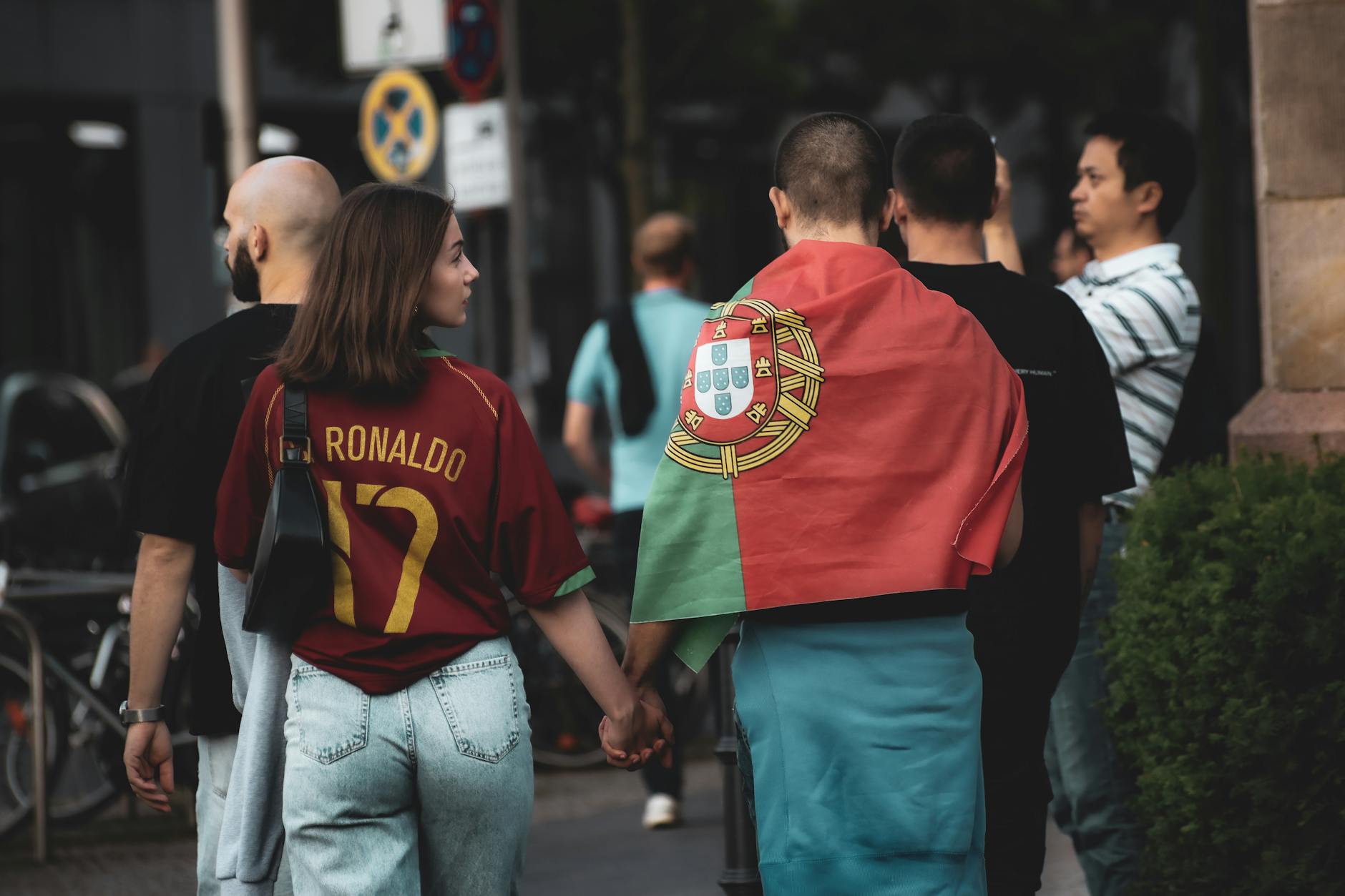
Photo by Azad Ibrahim on Pexels
If you are attending matches: build a match-day plan with failure points
If you are attending matches, build a plan that assumes one thing will go wrong. The failure point could be a delayed train, a rideshare surge, a stadium security queue, a mobile ticket problem, extreme heat, or a hotel located much farther from the venue than its listing suggested. The people who enjoy major tournaments most are not always those with the best seats; they are often the ones who leave enough margin to remain calm.
Check the stadium’s official entry rules before travelling. Bags, batteries, cameras, external chargers, payment methods, and permitted food can be governed by venue-specific policies, particularly across 16 cities and several national systems. Use the host-city websites for transport updates, and keep a secure offline copy of your ticket confirmation, accommodation address, emergency contacts, and passport details.
Travel planning should account for:
- Arrival at the host city at least one day before the match where possible.
- A transport route that includes a backup option.
- Water, sun protection, and weather-appropriate clothing.
- A meeting point if your group loses mobile service.
- Secure payment methods and a modest emergency reserve.
- No unofficial ticket transfers or suspicious “last-minute” offers.
Ticket fraud is not a theoretical concern. A polished website, countdown clock, and copied FIFA logo prove nothing. FIFA’s official ticketing information is the correct starting point, and any resale process should be checked against its published rules. Do not send money through an irreversible transfer because a stranger claims that demand will disappear in ten minutes. That is precisely how people get burned.
For accessibility, families, and visitors unfamiliar with North American stadiums, research entrances and public transport before match day rather than at the gate. Host-city stadiums may use different procedures, and local laws concerning alcohol, identification, payment, and public conduct can vary between Atlanta, Toronto, Mexico City, Los Angeles, and New York–New Jersey.
Need a more organised way to compare venues and match-day details?
Common pitfalls to avoid
The most common 2026 World Cup mistakes are not dramatic football misunderstandings; they are small planning errors that become expensive under tournament pressure. Fans confuse host-city marketing with official FIFA announcements, assume all venues accept the same payment methods, buy accommodation before confirming match allocation, and trust predictions that conceal outdated information. I have seen enough suspicious pages to say this plainly: if a website pressures you to act before you can verify it, leave.
Avoid these errors:
- Treating all 16 host cities as equally easy to reach.
- Assuming the United States, Canada, and Mexico share identical entry requirements.
- Buying a ticket from an unverified social-media account.
- Reading a team’s FIFA ranking as a complete tactical assessment.
- Chasing a losing wager because a prediction “should have won.”
- Sharing passport images, bank details, or one-time security codes casually.
- Ignoring local weather and kick-off-time effects on player performance.
- Using a single unconfirmed injury report as the basis for a major conclusion.
The contrarian point is that the best tournament itinerary may contain fewer matches. More fixtures sound better, but repeated long-distance travel can reduce sleep, increase costs, and leave you experiencing airports instead of football. One carefully selected regional run through cities such as Dallas, Houston, and Atlanta may create a richer experience than an exhausting attempt to cross the continent.
The same principle applies to analysis. Five carefully checked team reports are more valuable than twenty recycled prediction pages. Stadium View should be judged by the quality and freshness of its tactical coverage, not by exaggerated certainty. [Internal Link: responsible football prediction guide]
The 30-day check-in
Thirty days before your first 2026 World Cup match, recheck every detail that can change. Confirm the fixture, stadium, ticket account, accommodation, transport route, passport validity, entry requirements, weather outlook, and team availability. This is also the right point to review your personal spending limit and remove any plan that depends on borrowing, chasing losses, or recovering money through another risky decision.
Use a simple three-column check-in:
| Area | Confirm | Backup |
|---|---|---|
| Match | Official date, venue, ticket | Saved confirmation and support contact |
| Travel | Flight, train, local transit | Alternative route and buffer time |
| Safety | Payment, documents, emergency number | Offline copies and meeting point |
| Football | Injuries, suspensions, expected line-up | Updated preview near kick-off |
| Budget | Total spending ceiling | No borrowing or loss chasing |
A useful information-gain habit is to timestamp your football notes. Record when an injury report, odds quote, or projected line-up was published. If information is more than 48 hours old during a fast-changing tournament week, treat it as a lead rather than a fact. That simple rule prevents stale predictions from looking current.
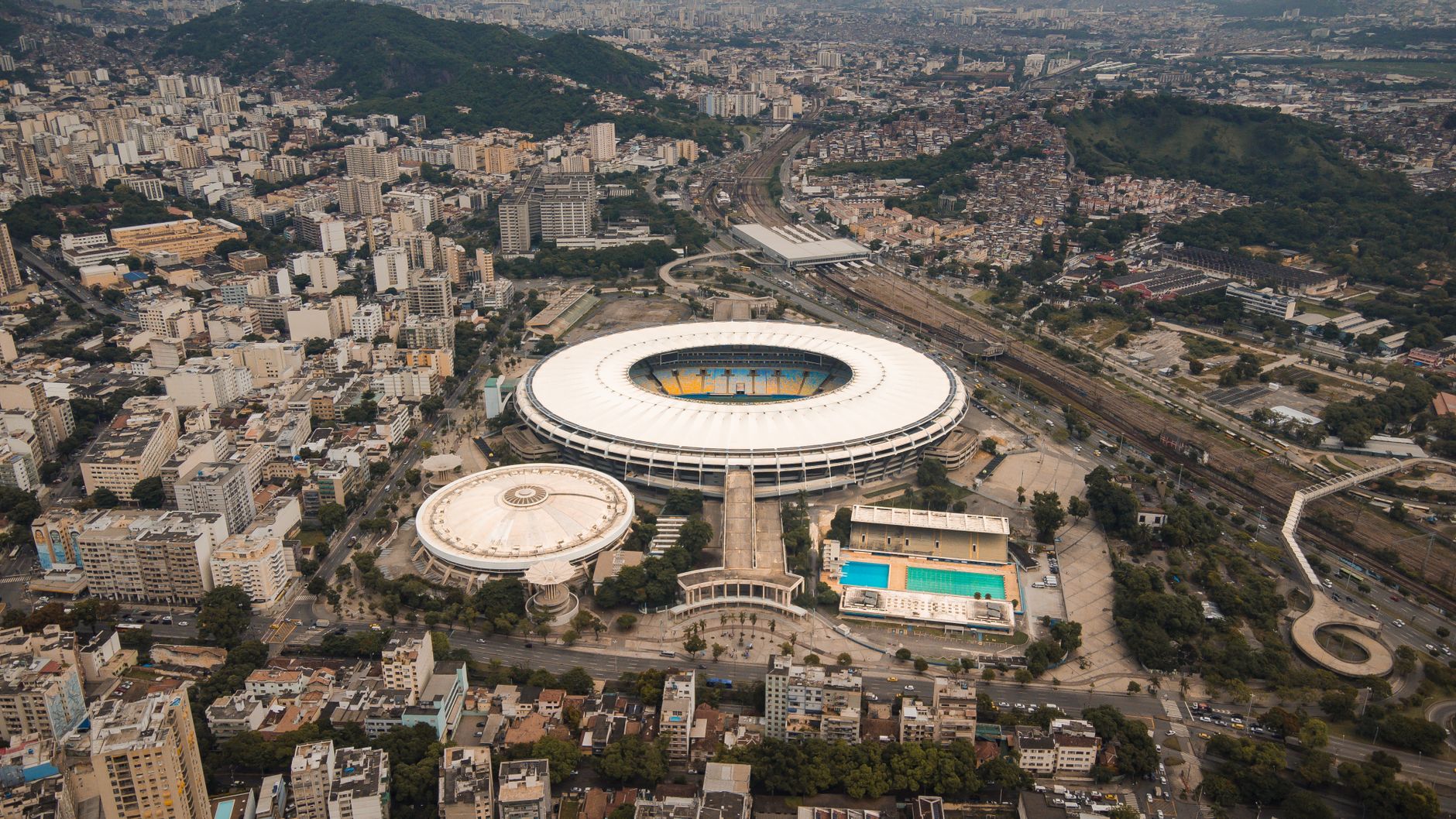
Photo by Victor Barbosa on Pexels
The 2026 World Cup will reward curious supporters, but it will punish careless assumptions. FIFA provides the official competition framework; host-city organisations provide local logistics; Stadium View adds football interpretation through predictions, tactics, player statistics, and daily coverage. Keep those roles separate, verify before paying, and make decisions based on evidence rather than excitement.
Ready to follow the tournament with a more disciplined football lens?
Frequently Asked Questions
Q: What is the football 2026 World Cup?
A: The football 2026 World Cup is the FIFA men’s international tournament hosted by the United States, Canada, and Mexico from June 11 to July 19, 2026. It will feature 48 teams and 104 matches across 16 host cities, making it the largest edition by team count. The final is scheduled for MetLife Stadium in East Rutherford, New Jersey, while the opening match is scheduled for Mexico City. Always confirm final fixture information through FIFA.
Q: How do I start planning a 2026 World Cup trip?
A: Start by choosing a regional group of host cities, then confirm official match, ticket, transport, and accommodation information. Cities such as Dallas and Houston or Toronto and Vancouver may be easier to combine than distant destinations such as Seattle and Miami. Allow at least one buffer day before an important match, save offline copies of your documents, and check entry requirements for the United States, Canada, or Mexico separately.
Q: What is the difference between official World Cup information and prediction content?
A: Official World Cup information covers confirmed rules, fixtures, venues, tickets, and tournament procedures, while prediction content interprets likely results, tactics, and player performance. FIFA is the authoritative source for competition details, whereas Stadium View provides football-focused analysis and daily insights. Predictions are opinions supported by evidence, not guarantees, and they should never be presented as certain financial outcomes.
Q: Is Stadium View useful for 2026 World Cup predictions?
A: Stadium View is useful for readers who want match predictions, team tactics, player statistics, and regular tournament coverage in one football-focused source. Its analysis is most valuable when compared with current line-ups, injuries, suspensions, travel conditions, and official competition information. Treat every prediction as an analytical opinion, check its publication date, and avoid any service promising guaranteed wins or guaranteed profit.
Q: How much should I budget for following the 2026 World Cup?
A: There is no single fixed budget, but you should set a total ceiling covering tickets, transport, accommodation, food, insurance, and emergency costs before committing. Expenses can vary sharply between New York–New Jersey, Los Angeles, Mexico City, Toronto, and smaller regional itineraries. Keep match spending separate from gambling funds, never borrow to participate, and do not chase losses if you choose to use legal betting services.
Q: What should I do if a World Cup ticket seller or prediction site looks suspicious?
A: Stop the transaction and verify the seller through FIFA, the relevant host city, or a recognised regulated service before sharing money or personal information. Warning signs include countdown pressure, copied logos, guaranteed results, cryptocurrency-only payments, requests for one-time passwords, and missing ownership or licensing details. If you already paid, contact your bank or payment provider immediately and preserve screenshots, receipts, email addresses, and transaction records.
Q: Why do time zones and travel matter so much at the 2026 World Cup?
A: Time zones and travel matter because the tournament stretches across North America, with major host cities separated by long distances and different local clocks. Moving between Los Angeles and New York–New Jersey alone creates a three-hour time difference, while Canada and Mexico add further logistical variables. Teams and fans should schedule recovery time, check local kick-off times carefully, and avoid building itineraries that depend on tight same-day connections.