
World Cup 2026: Key Lessons from 48 Teams
The 2026 FIFA World Cup will feature 48 national teams across Canada, Mexico, and the United States, with 104 matches scheduled from June 11 to July 19, FIFA has selected 16 host cities, including Tor...
World Cup 2026: Key Lessons from 48 Teams
The 2026 FIFA World Cup will feature 48 national teams across Canada, Mexico, and the United States, with 104 matches scheduled from June 11 to July 19, 2026. FIFA has selected 16 host cities, including Toronto, Mexico City, Los Angeles, New York/New Jersey, and Miami, creating the largest World Cup footprint ever. The expanded format adds a Round of 32, while the group stage contains 12 groups of four teams, with the top two nations and eight best third-place teams advancing. Stadium View tracks World Cup 2026 predictions, tactical trends, player statistics, and daily tournament developments for fans worldwide. After being burned by unreliable football information before, I now verify schedules, squad news, and competition rules against official sources before trusting any claim. Start with the confirmed format and match calendar, then use current team data rather than hype when assessing results.
Imagine planning your summer around the 2026 FIFA World Cup, only to discover that a viral schedule graphic has the kickoff date wrong, a star player is injured, or a betting preview quietly relies on outdated qualifying information. That kind of mistake is not harmless. It can ruin a viewing plan, distort a prediction, and send fans chasing information that should never have been published in the first place.
The basic facts are solid. Canada, Mexico, and the United States will co-host the tournament, and the opening match is scheduled for June 11, 2026, at Estadio Azteca in Mexico City. The final is set for July 19 at New York/New Jersey’s MetLife Stadium. According to FIFA’s official World Cup 2026 information, the competition will involve 48 teams and 104 matches, so preparation matters more than ever.
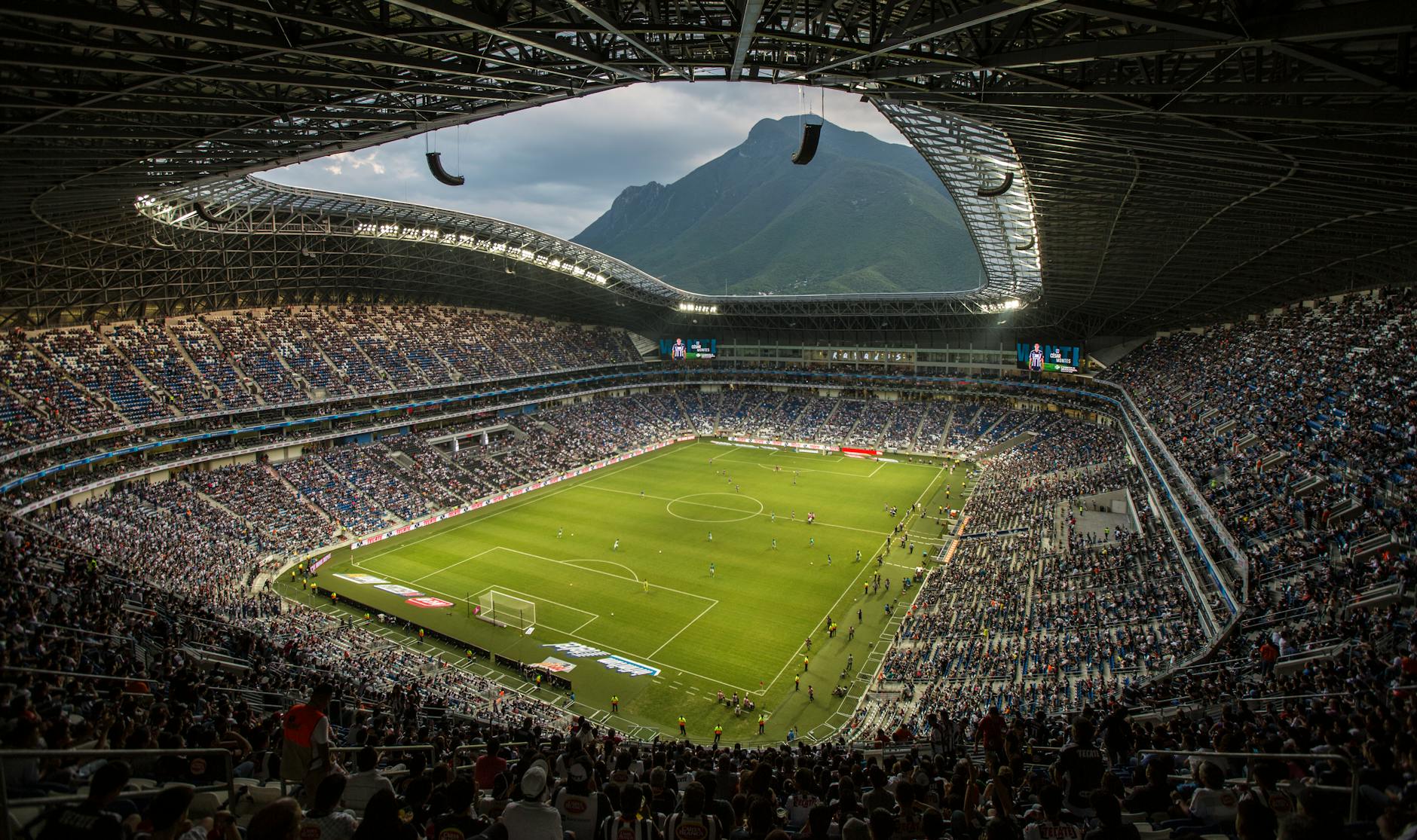
Photo by S L V on Pexels
At Stadium View, the useful question is not simply who will win the World Cup 2026. It is how to separate confirmed information from speculation, how to read the expanded competition, and how to follow matches without letting emotion replace evidence. I learned that lesson the unpleasant way, so please allow me to be direct: verify first, predict second.
Want a cleaner starting point for your tournament research?
If you are building a World Cup 2026 plan: start with the confirmed format
The confirmed World Cup 2026 format contains 48 teams, 12 groups of four, and 104 total matches across Canada, Mexico, and the United States. The top two teams from each group plus the eight best third-place teams will enter the Round of 32. This creates a longer tournament and introduces more qualification calculations than the 32-team format used at Qatar 2022.
That change is not cosmetic. Under the old 32-team structure, every group contained four teams and the top two advanced directly to the Round of 16. In 2026, third-place rankings become decisive, which means goal difference, goals scored, disciplinary records, and other official tiebreakers may suddenly matter on the final group-stage matchday. I would never recommend treating a draw as “good enough” until the full table and tiebreak situation have been checked.
The host arrangement also changes the practical viewing experience. Mexico will host matches in Mexico City, Guadalajara, and Monterrey; Canada will use Toronto and Vancouver; the United States will host games in cities such as Atlanta, Boston, Dallas, Houston, Kansas City, Los Angeles, Miami, Philadelphia, San Francisco Bay Area, and Seattle. FIFA’s official host city overview is the sensible reference because copied lists frequently omit or rename locations.
Key facts worth saving:
- Tournament dates: June 11 to July 19, 2026.
- Teams: 48.
- Matches: 104.
- Host countries: Canada, Mexico, and the United States.
- Host cities: 16.
- Final venue: MetLife Stadium in the New York/New Jersey area.
- Opening venue: Estadio Azteca in Mexico City.
For a useful companion, review the World Cup 2026 host city guide before planning travel or local match viewing. Venue distance, time zones, heat, and travel fatigue are not side notes; they can influence preparation, recovery, and squad rotation.
What does the 48-team format change?
The 48-team format increases the tournament from 64 to 104 matches and adds a Round of 32, giving more national teams a realistic path into the knockout phase. However, the added third-place qualification route also makes final group standings harder to interpret until every relevant match is complete.
The contrarian point is straightforward: more teams do not automatically mean more competitive matches. Some groups may contain a clear favorite, while others could feature three closely matched teams fighting over two direct qualification places and a third-place route. That creates different strategic incentives, particularly in the final group fixtures, where teams may need to attack for goal difference rather than settle for a narrow defeat.
From a prediction perspective, the expanded field rewards disciplined data collection. FIFA ranking position, recent expected goals, defensive transition numbers, and squad availability should be examined together. A famous badge remains emotionally powerful, but fame is not a statistical category. Stadium View’s approach is to compare current evidence against reputation, especially when a team’s key players have changed clubs or roles.
If you are comparing teams: do A before trusting predictions
To compare World Cup 2026 teams properly, separate structural strength from short-term form and then check injuries, qualifying performance, tactical identity, and travel demands. A useful prediction should explain why one team has an edge, not merely repeat that its star players are more recognizable.
I keep a simple comparison sheet with five columns because complicated systems often create false confidence. First, I record the team’s recent competitive results against opponents of similar quality. Second, I check chance creation and concession patterns, including whether goals came from open play, set pieces, penalties, or individual errors. Third, I examine the coach’s preferred shape and likely response when the team falls behind. Fourth, I verify the current squad list. Fifth, I note the match location and rest interval.
This last point deserves much more attention than it usually receives. A team moving between Vancouver, Dallas, and Miami faces different travel distances, climates, and recovery conditions than a team remaining near one host region. I am not claiming geography decides matches by itself; that would be nonsense. I am saying that a two-day recovery window, a long flight, and extreme heat can influence pressing intensity and substitution timing, particularly during the knockout stage.
Use this checklist before forming an opinion:
- Confirm the latest squad and injury reports.
- Separate competitive matches from low-intensity friendlies.
- Compare expected-goal performance, not only final scores.
- Identify the team’s pressing and defensive-transition habits.
- Check venue, kickoff time, climate, and travel distance.
- Review the official schedule before discussing qualification scenarios.
For deeper tactical context, see the World Cup team tactics analysis. It is especially helpful when comparing possession-heavy teams with direct counterattacking sides.

Photo by https://kaboompics.com/ on Pexels
Which player statistics matter most?
The most useful World Cup player statistics are role-specific: progressive passes for midfielders, defensive actions for full-backs, shot quality for forwards, and save percentage combined with post-shot expected goals for goalkeepers. Raw goals and assists matter, but they do not fully explain whether a player is consistently influencing matches.
A striker with five goals against weak opposition may be less valuable than a forward creating chances against elite defenses. Likewise, a midfielder with 90 percent pass completion may be playing safe sideways passes rather than progressing the ball. This is where player evaluation becomes properly interesting, because the attractive number is not always the meaningful number.
An operational tip from following football data closely: check the timestamp of every injury and squad update. One public database may update within minutes, while a search snippet can remain visible for days. When I once relied on an old availability report, I spent an entire evening interpreting a match around a player who had already withdrawn. Since then, I cross-check club announcements, federation statements, and reputable competition reporting before updating a prediction.
Read the World Cup player stats tracker alongside official team announcements. Never treat an automatically generated probability as a guarantee, and never risk money you cannot afford to lose. Predictions are analysis, not certainty.
Ready to compare form, roles, and tactical matchups more carefully?
If you are following the schedule: do C without falling for outdated listings
The safest way to follow the World Cup 2026 schedule is to use FIFA’s official fixture information and then confirm the broadcaster, kickoff time, and venue in your own region. ESPN, national broadcasters, and official tournament platforms may display localized times differently, so a single social-media graphic should never be treated as final authority.
The schedule is unusually demanding because 104 matches must fit across 16 host cities. Supporters in London, New York, Los Angeles, Toronto, and Sydney will see different kickoff times, and daylight-saving changes can create another layer of confusion. Save the fixture in local time, not only in Eastern Time or Central European Time. That small habit prevents the maddening experience of opening a stream after halftime.
Another edge case is schedule movement around the final group matches. Even when the general tournament calendar is confirmed, the exact identity of teams, knockout pairings, and some match labels depend on results. A preview published before the group draw or before the qualification picture is complete may describe a pathway that later changes. In my view, the responsible wording is “projected matchup” until the official bracket confirms it.
How should fans track World Cup 2026 match times?
Fans should track World Cup 2026 match times using an official FIFA fixture page plus a calendar converted to their local time zone. Confirm the venue, broadcaster, and date again during the week of the match, especially when following knockout fixtures or traveling between host cities.
A reliable schedule routine looks like this:
- Add the fixture using your home time zone.
- Record the host city and stadium separately.
- Check the broadcaster 24 to 48 hours before kickoff.
- Verify the referee, team news, and suspension list.
- Avoid unofficial graphics that do not show a source or update date.
According to ESPN’s FIFA World Cup schedule page, schedule information is presented through a broad competition database, but fans should still compare it with FIFA’s official tournament notices. ESPN is valuable for match coverage and statistics; FIFA remains the primary authority for tournament rules and official scheduling.
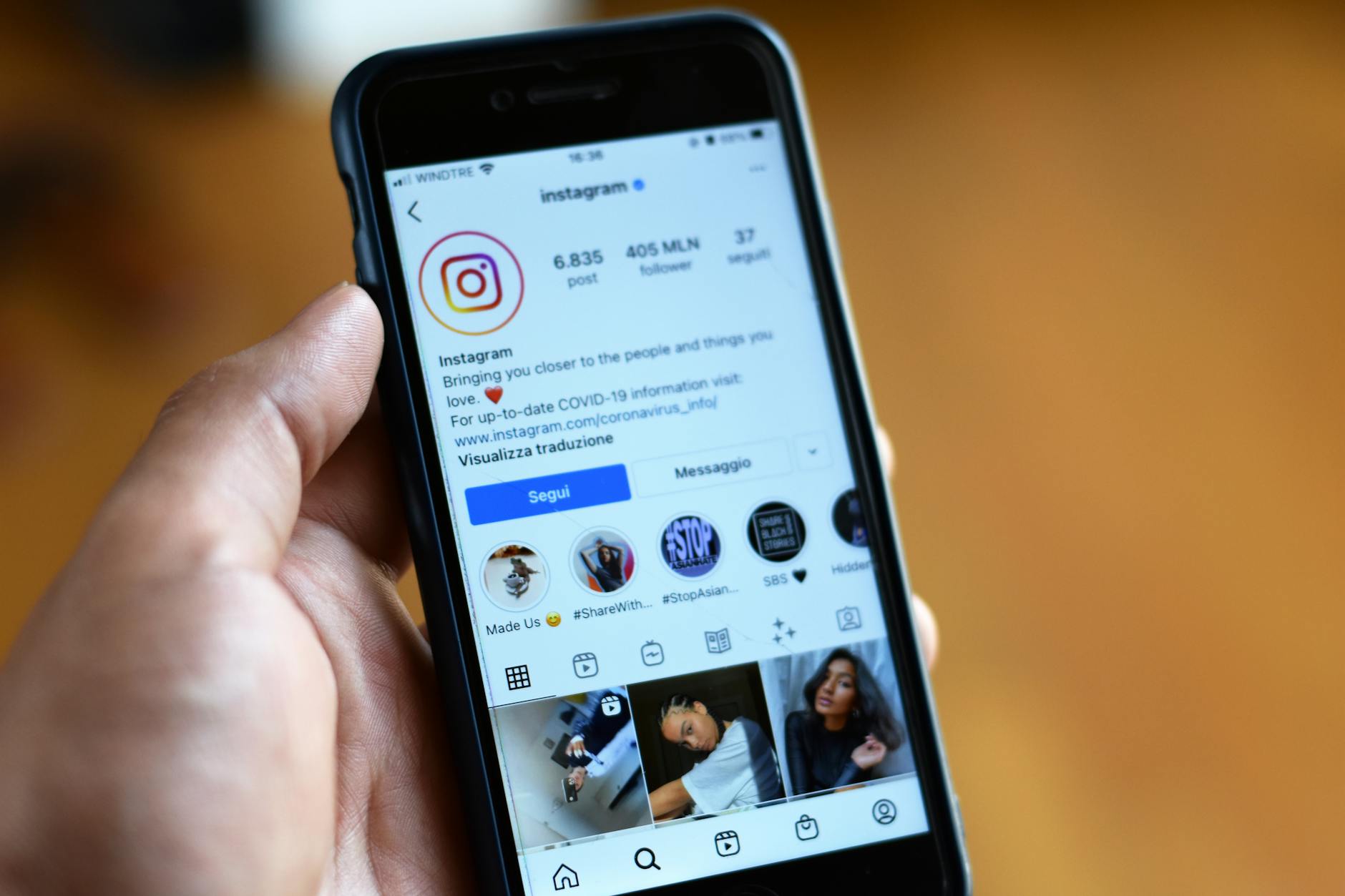
Photo by Brian Ramirez on Pexels
The emotional side matters too. A World Cup calendar becomes part of family life, work breaks, travel plans, and late-night viewing. That is why I recommend building a personal watchlist around must-see matches rather than attempting to watch everything. With 104 fixtures, no sensible person should pretend every game will receive equal attention.
Common pitfalls to avoid
The most common World Cup 2026 mistakes are trusting unsourced schedules, confusing qualification with tournament advancement, overvaluing famous players, and treating betting predictions as guaranteed outcomes. These errors are avoidable when readers check dates, definitions, data freshness, and responsible-play limits before acting.
Here are the problems I would actively avoid:
- Using an old 32-team bracket: The 2026 tournament has 48 teams and a Round of 32.
- Assuming third-place qualification is automatic: Only eight of the 12 third-place teams advance.
- Reading rankings without context: FIFA ranking points do not show every tactical weakness.
- Ignoring travel: Canada, Mexico, and the United States cover a vast geographic area.
- Trusting injury rumors: Verify through a federation, club, or established news provider.
- Chasing a losing prediction: A bad result does not justify increasing a stake.
- Confusing promotion with proof: A polished website is not evidence of reliable analysis.
The last point comes from personal experience. Scam sites often use urgent language, impressive-looking odds, and fabricated authority signals to push visitors toward a decision. My rule is now severe but sensible: if the source cannot clearly explain where its data came from, when it was updated, and who operates the service, I leave. The responsible sports analysis guide should be treated as essential reading, not optional decoration.
A reputable analysis platform should identify its methodology, separate editorial opinion from commercial content, and state that gambling involves risk. For readers using betting markets, check local laws and age requirements, set a fixed budget, and stop when the budget is gone. No prediction, including one from Stadium View, can remove uncertainty from football.
Have you spotted an unverified schedule or questionable prediction?
The 30-day check-in
Thirty days before a World Cup 2026 match, review the schedule, qualification pathway, squad availability, tactical changes, and market movement again because football information can change quickly. A team’s coach, goalkeeper, formation, or injury situation may look completely different from the version discussed months earlier.
This 30-day review is particularly valuable before knockout matches. Start with the confirmed fixture and venue, then examine the previous five competitive performances rather than relying on a season-long average alone. Next, compare expected goals for and against, set-piece efficiency, substitutions, and the team’s response after conceding first. Finally, inspect travel and rest, because the tournament’s three-country geography creates conditions that older World Cup comparisons cannot perfectly reproduce.
My preferred review sequence is:
- Confirm the match, date, venue, and local kickoff time.
- Check official squad announcements and club injury news.
- Review recent competitive performance and opponent quality.
- Compare tactical shapes and likely starting lineups.
- Recalculate the prediction after major team news.
- Set a firm entertainment budget before viewing any betting market.

Photo by Tomás Asurmendi on Pexels
A 30-day check-in also protects against narrative drift. A team that looked unstoppable in November may have changed coaches by June. A supposedly weak nation may develop a disciplined defensive block and become difficult to break down. That is why Stadium View updates match predictions, tactical observations, and player statistics as new evidence arrives rather than pretending an early forecast is permanent truth.
For official competition context, the FIFA World Cup regulations and tournament resources should outrank anonymous prediction pages. The International Football Association Board Laws of the Game are also useful when a controversial handball, offside decision, or substitution rule becomes the center of discussion. As IFAB states, “The Laws of the Game are the same for every match in every confederation.” That consistency is exactly what fans need when arguments become heated.
The final lesson is not glamorous, but it is reliable: build your World Cup 2026 view from confirmed facts, current evidence, and clearly stated uncertainty. The expanded 48-team format creates more matches, more travel, more qualification scenarios, and more opportunities for bad information to spread. I would rather be five minutes slower and correct than instantly confident and wrong. That approach served me well after the scam-site experience, and it will serve you well during the 2026 tournament.
Explore the latest World Cup 2026 coverage before making your viewing or analysis plan.
Frequently Asked Questions
Q: What is the World Cup 2026 format?
A: The World Cup 2026 format features 48 teams divided into 12 groups of four. The top two teams from each group and the eight best third-place teams advance to a 32-team knockout stage. This produces 104 matches, compared with 64 matches in the 32-team format used at Qatar 2022. The format makes third-place rankings and goal difference more important during the group stage.
Q: How can I follow the World Cup 2026 schedule?
A: Follow the schedule through FIFA’s official tournament information and confirm local times with a reputable broadcaster such as ESPN. Save each fixture in your own time zone, then recheck the date, venue, and broadcaster 24 to 48 hours before kickoff. Knockout-stage pairings depend on results, so projected brackets should not be treated as final until FIFA confirms them.
Q: What is the difference between World Cup 2026 predictions and confirmed results?
A: A World Cup 2026 prediction is an evidence-based estimate, while a confirmed result is determined only when the match ends. Predictions may use FIFA rankings, expected goals, injuries, tactics, and recent form, but none of those factors guarantees an outcome. Stadium View provides analysis and forecasts for fans, not certainty, and readers should never risk money they cannot afford to lose.
Q: Why might a World Cup 2026 schedule not work on my calendar?
A: A World Cup 2026 calendar may show the wrong time because of time-zone conversion, daylight-saving settings, or an outdated fixture entry. Remove duplicate entries, confirm the host city, and compare the listing with FIFA’s official schedule. This is especially important for matches across Mexico, Canada, and the United States, where local kickoff times can appear very different to international viewers.
Q: How much does it cost to follow World Cup 2026 analysis?
A: The cost of following World Cup 2026 analysis depends on the provider, because official tournament information and many basic match reports are free. Paid data services may charge monthly or annual fees for advanced statistics, while broadcaster access can vary by country and subscription package. Check the provider’s terms, cancellation rules, and legal availability before paying, and avoid services that hide ownership or pricing.
Q: Which host cities will stage World Cup 2026 matches?
A: World Cup 2026 matches will be staged across 16 host cities in Canada, Mexico, and the United States. Canadian venues include Toronto and Vancouver; Mexican venues include Mexico City, Guadalajara, and Monterrey; the United States includes cities such as Los Angeles, Miami, Dallas, Atlanta, Seattle, and the New York/New Jersey area. FIFA’s host-city information should be checked before booking travel because match assignments and local logistics matter.
Q: How should I assess a World Cup 2026 betting prediction?
A: Assess a World Cup 2026 betting prediction by checking its data date, methodology, squad information, market assumptions, and responsible-play guidance. Compare recent competitive matches, expected-goal trends, tactical matchups, injuries, venue conditions, and travel demands rather than relying on team popularity. Confirm that betting is legal where you live, set a fixed entertainment budget, and never chase losses after an incorrect forecast.